
 Fish & Wine · Bydgoszcz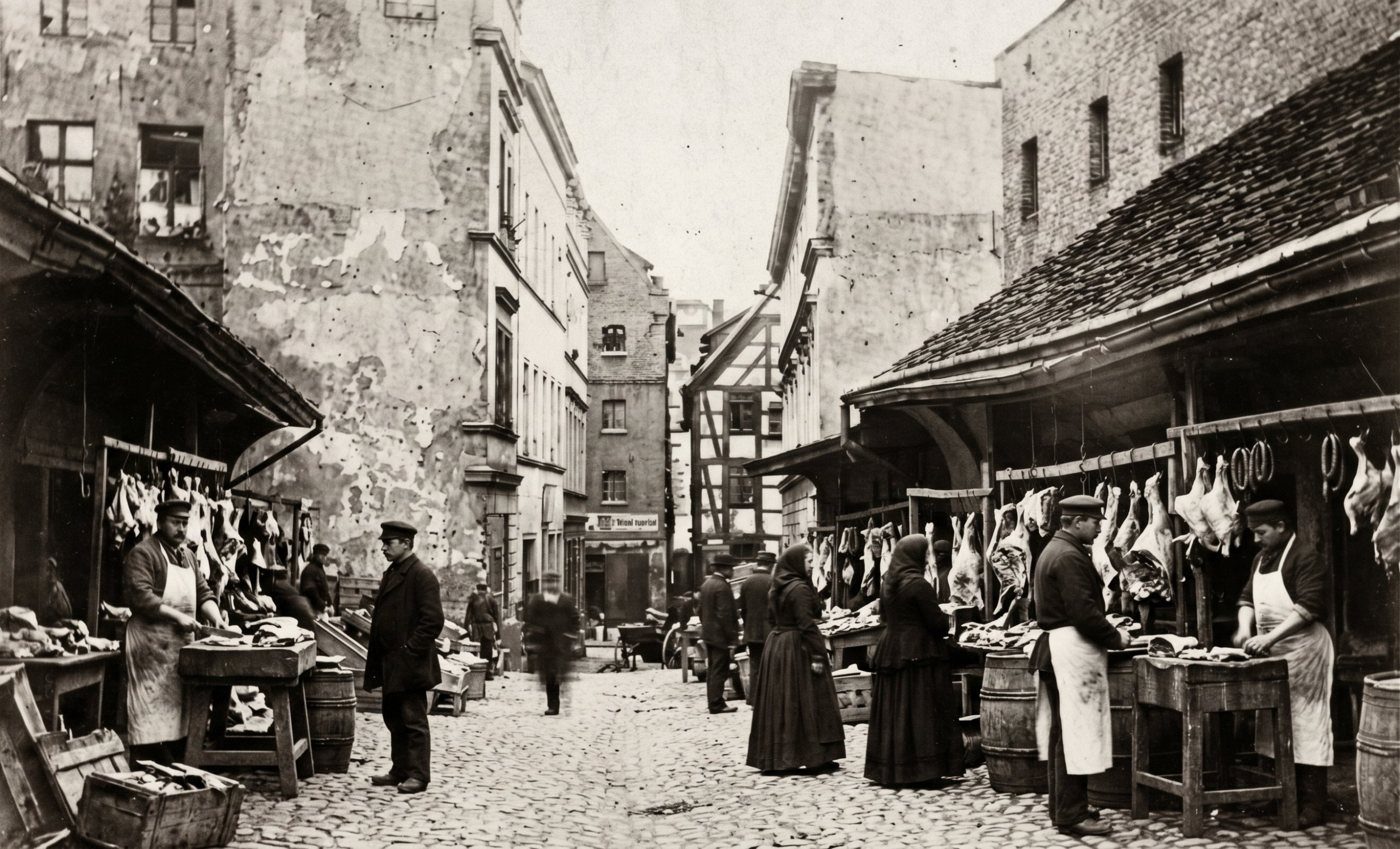
1861–1876 ul. Jatki
A lane of stalls
A narrow lane appears between the Old Market Square and Grodzka street. Stalls selling meat, fish and eggs line both sides. Hence the name: jatki means butchers' stalls. It is shown in full on the 1876 city plan.
For centuries Jatki and Rybi Rynek fed Bydgoszcz. This is where our story begins.
History of the place
For centuries Jatki and the neighbouring Rybi Rynek (the Fish Market) fed Bydgoszcz: stalls, barges on the Brda, fish straight from the river.
Jatki street has changed its trade three times: first meat and fish, then wicker and rattan, today food and drink. It vanished from the map for half a century and came back in 2015.
The name Port Jatki ties together two threads of this place. Port, because Bydgoszcz is a city on the Brda, with barges and granaries. Jatki, because this is a street of stalls.
From butchers' stalls, through wicker, to food and drink.
1861–1876 ul. Jatki
A narrow lane appears between the Old Market Square and Grodzka street. Stalls selling meat, fish and eggs line both sides. Hence the name: jatki means butchers' stalls. It is shown in full on the 1876 city plan.
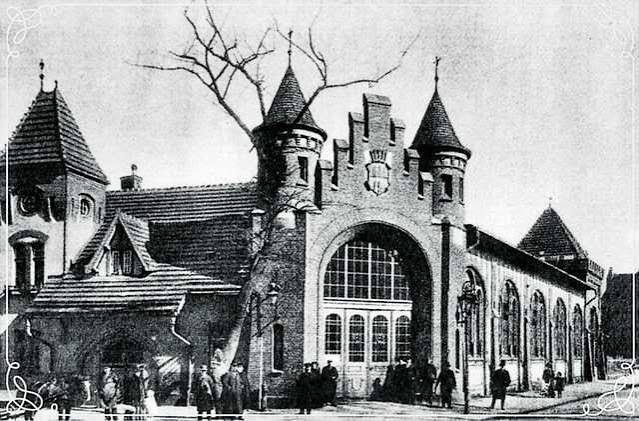
1906 Market hall
On 20 July 1906 the city opens a market hall. The meat and fish trade moves from Jatki under its roof.
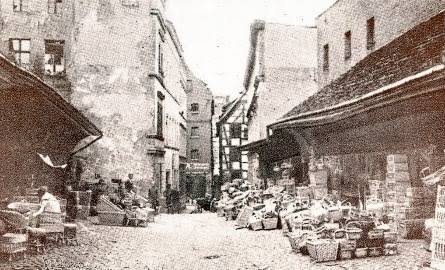
After 1906 ul. Jatki
Wickerwork starts being sold on Jatki. The Wikliniarka sculpture is a reminder of those years. The wicker lamps in our dining room are a nod to exactly that.
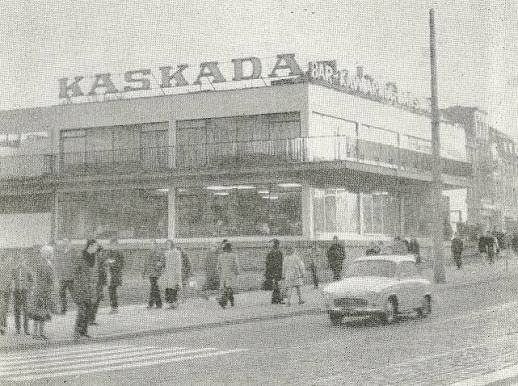
1967–1968 Kaskada bar
The street is cleared to build the Kaskada bar. Jatki disappears from the city map for half a century.
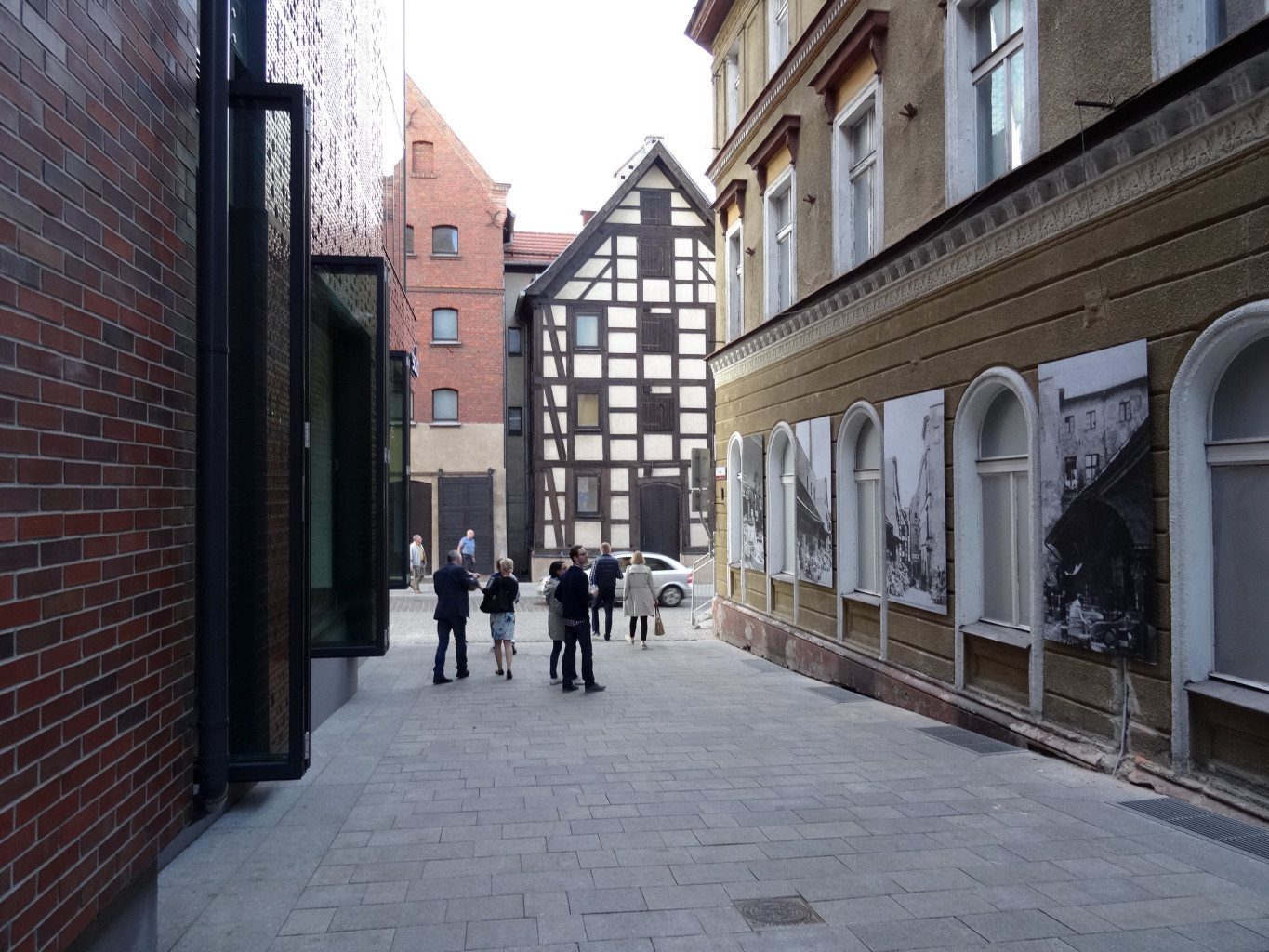
2015 ul. Jatki
The street returns to the map of Bydgoszcz, rebuilt after almost half a century. Today it is home to restaurants.
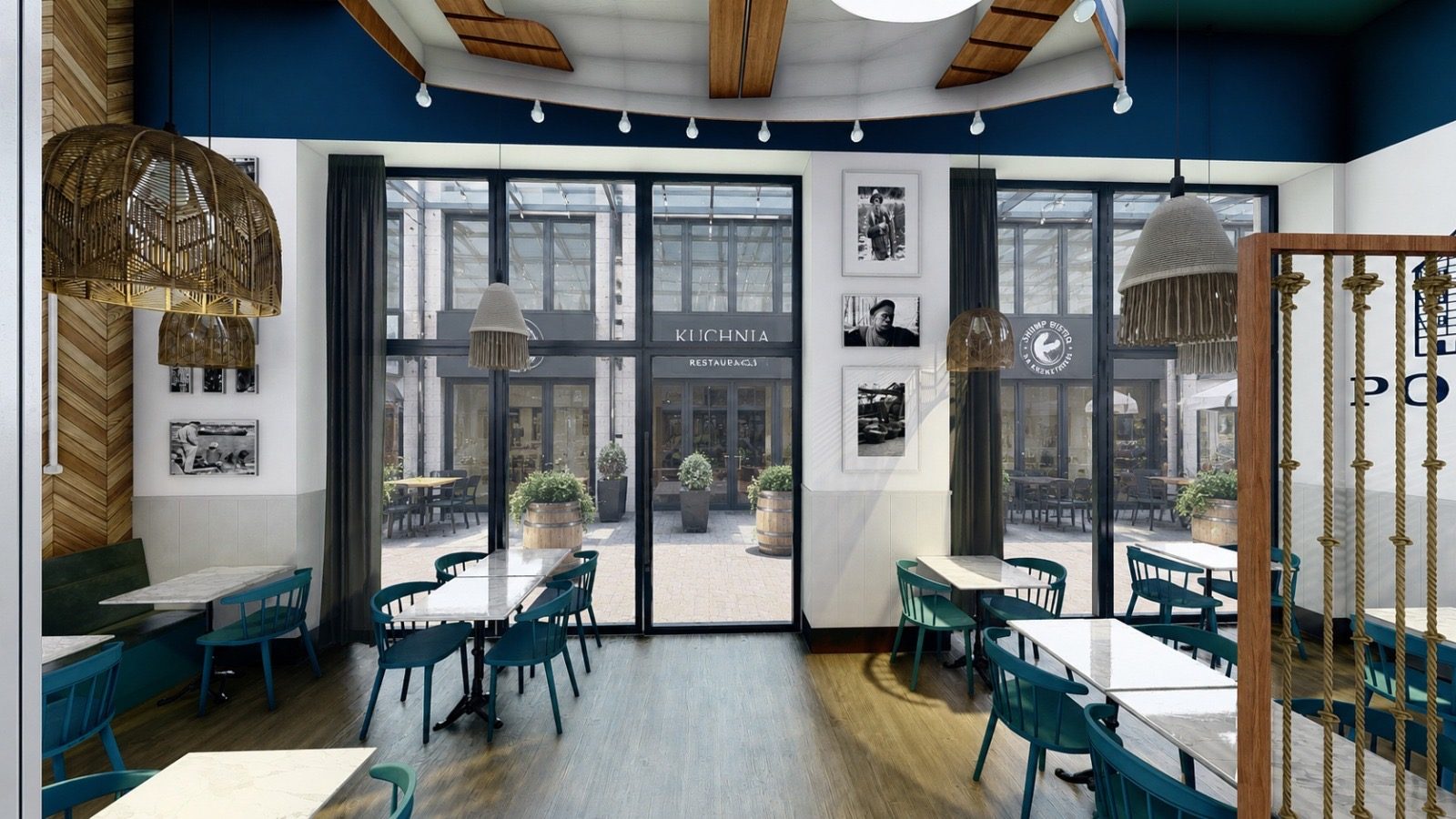
2026 ul. Jatki 6
Local fish, local wine, local beer. On the menu: Bydgoszcz-style zander in crayfish sauce, in memory of the crayfish from the Brda.
A few steps from Jatki, on the Brda, fish was traded for centuries.
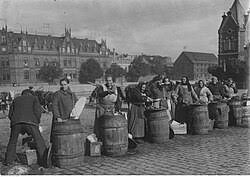
16th c.–1946 Rybi Rynek
Fish was traded at Rybi Rynek from the 16th century. After the market hall opened in 1906, only salted herring was sold here, until 1946.
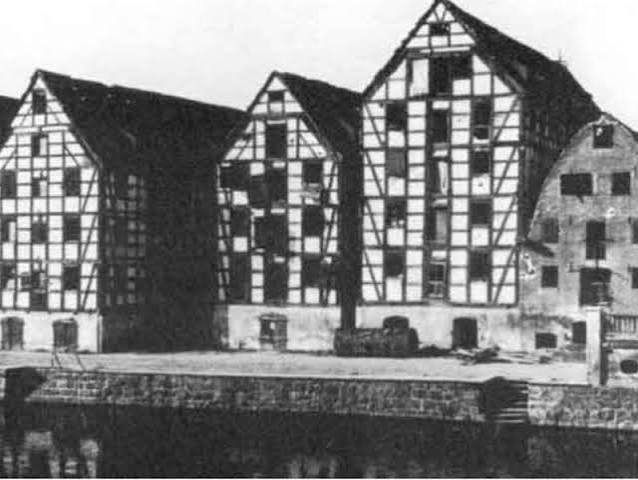
Granaries on the Brda
Herring arrived by barge from Gdańsk and waited in the granaries by the river.
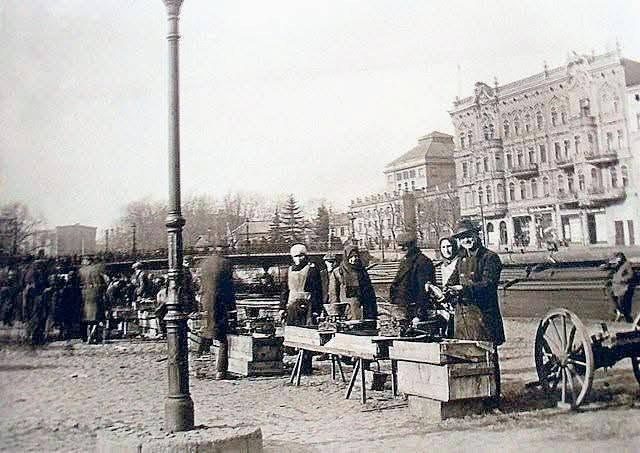
Brda waterfront
By the waterfront, live fish and crayfish were kept in baskets sunk in the river. Crayfish were a Bydgoszcz delicacy. Our zander in crayfish sauce is a nod to them.
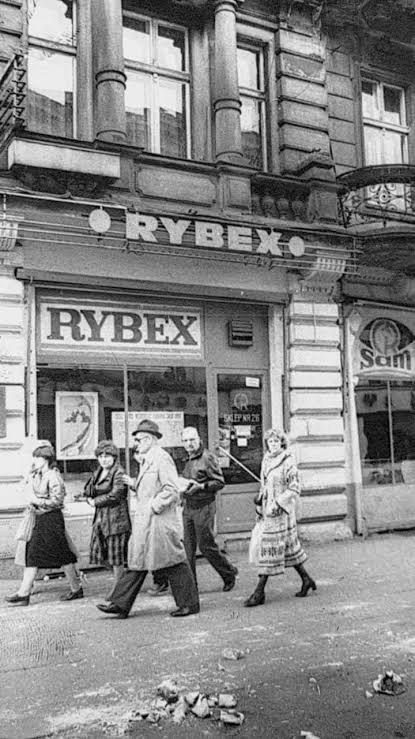
c. 1990 Fish shop
People bought fish in fishmongers' shops, like the Rybex in the photo.
Archive photos: Source: Port Jatki. Dates: Wikipedia (Polish articles „Ulica Jatki w Bydgoszczy”, „Miejska hala targowa w Bydgoszczy”, „Rybi Rynek”); Jerzy Derenda, „Gazeta Pomorska”, 6 April 2015; „Gazeta Wyborcza”, 22 February 2017; bydgoszcz.pl, 25 June 2025.